

The University of Navarra Museum aims to be a center of the University of Navarra open to the whole of society, where people can establish a relationship with contemporary art in its various forms, contributing to the development of a deeply human, imaginative, and free understanding of the world.
Welcome to the University of Navarra Museum,
Since embarking on the project to build a museum in the heart of the University of Navarra campus, we have been committed to promoting art through our exhibitions, performances, public and educational programs, cinema, multidisciplinary research, and teaching.
We want the Museum to be a bridge between the cultural and creative life of the region of Navarra, Spain, and the rest of the world with university life, focused on research and teaching. We promote creative and research projects and provide a daily presence of contemporary art in Pamplona from the heart of the Campus.
All the initiatives in our program, from exhibitions and shows to school programs and those aimed at the general public, seek to generate knowledge and help people develop a deeper and more critical understanding of the world through art.
I encourage you to enjoy the Museum and to help us spread art and promote culture among young people.
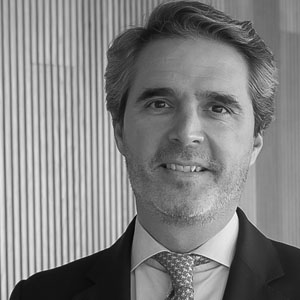 |
Jaime Garcia del BarrioDirector of the University of Navarra Museum |
The Museum
Opened in 2015, the University of Navarra Museum is a place to encounter art and artistic creation.
The building, designed by Rafael Moneo, is located on the university campus itself and has 12,000 square meters of floor space on three floors.
Inside, the exhibition halls and theater constitute the heart of a project dedicated to creation, research, teaching, and dissemination, with a clear commitment to service. The project is structured around the collection and the dialogue between different artistic disciplines.
The museum, built in the heart of the campus, was created with the dual purpose of housing the collection and integrating itself into the University of Navarra community with its same objectives and values, its emphasis on research and the humanistic and comprehensive education of the individual.
The legacy of José Ortiz Echagüe, the University's Photography Collection, and the donation by María Josefa Huarte Beaumont form the initial core of a collection that has been developing since the 1990s. From the outset, the strategy designed for its development incorporated creative and research projects that make it a living, contemporary collection, dedicated to improving people's lives and education.
The Artist Residency, Building Bridges, and Performing Arts and Music programs promote creation and research with a special emphasis on ongoing dialogue with the pieces in the collection. The artistic and academic communities benefit from the opportunity to work together on research and creative projects.
Since its inauguration in 2015, the building has housed exhibition halls and a theater where all artistic disciplines coexist and interact, making the museum a meeting place for contemporary art.
-
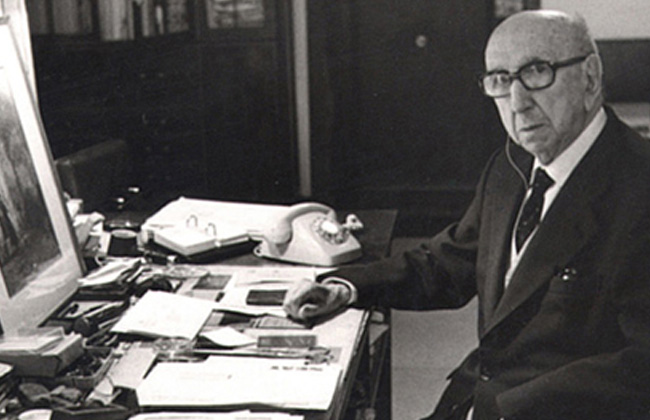
1981
Artist and engineer José Ortiz Echagüe decides to donate his photographic work and materials to the University of Navarra.
-
1990
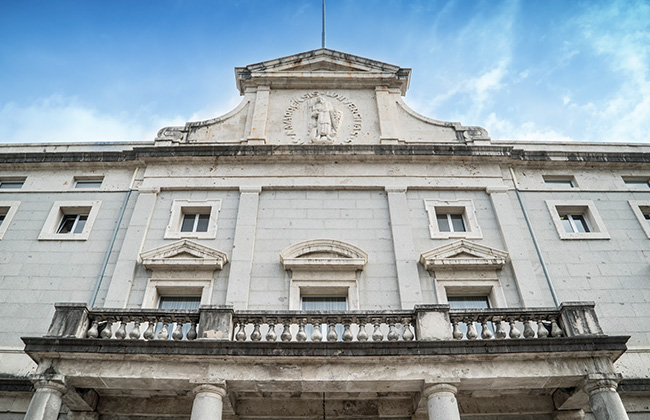
To house the Ortiz Echague legacy, a space has been set up in the basement of the Central Building of the University of Navarra.
-
1993
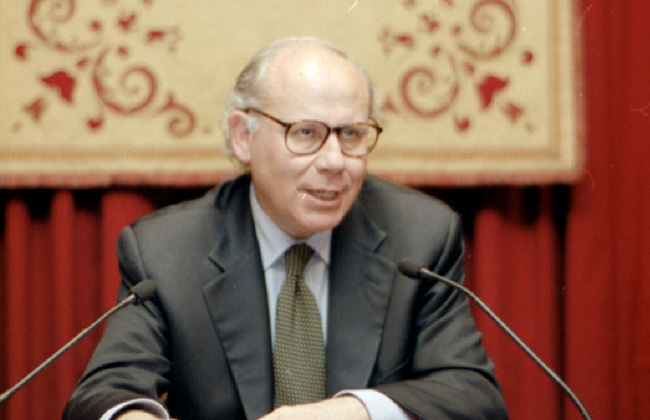
With Alejandro Llano as Rector, the rector's team decided to hire two artists, Rafael Levenfeld and Valentín Vallhonrat, and commissioned them to carry out a project that would put the collection at the service of the University's teaching and research purposes.
-
1998
It was decided to create a photography collection spanning from its origins to the present day. The strategy consolidates lines of work around photography made in Spain. All photographic processes and themes are represented in the collection. Following the decision, various photographic collections began to be incorporated.
-
2002
The Ortiz Echague legacy space is expanded and renovated and renamed the University of Navarra Foundation Photographic Collection (F.F.F.), where it remains until the completion of the University of Navarra Museum, at which point it is moved there.
-
2003
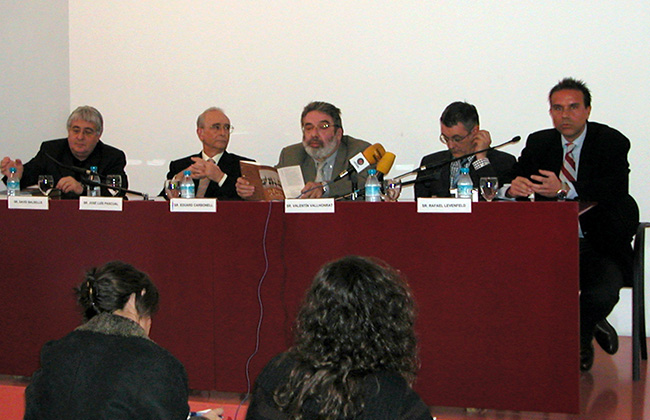
A collaboration agreement is signed with the National Art Museum of Catalonia, whereby the University of Navarra's collection will be exhibited as part of the museum's permanent collection in Barcelona.
-
2004
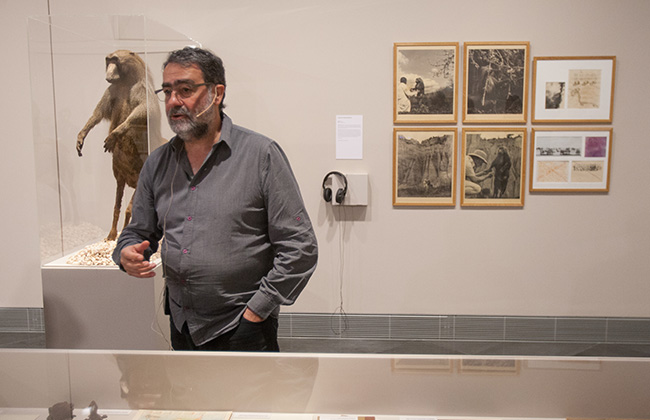
Start of the creative and artistic residency projects Tender Puentes (Building Bridges) with projects by Joan Fontcuberta, Roland Fischer, and Bleda y Rosa.
-
2008
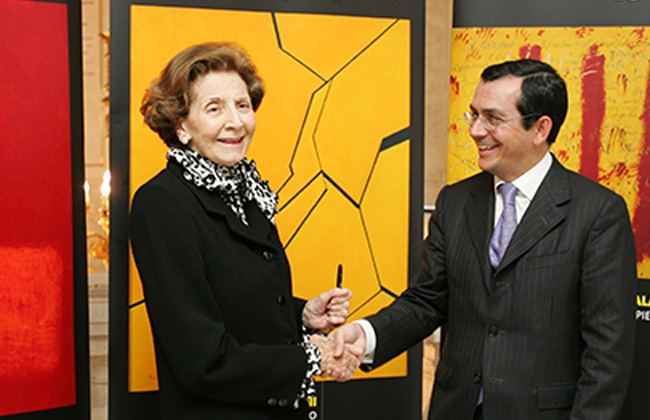
With Ángel Gómez Montoro as Rector, the University of Navarra accepts the donation of María Josefa Huarte's collection. Forty-seven pieces by 19 modern and abstract artists arrive at the University with the request that they be made available to the whole of society so that art can improve the lives of students and everyone else. María Josefa Huarte asks the University to build a museum with the help of architect Rafael Moneo.
-
2009
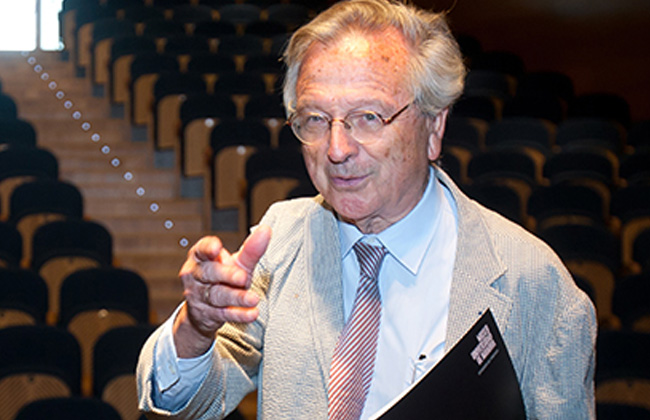
Mr. Ángel Gómez Montoro and the university administration decide to incorporate artistic and creative development into the humanities program offered at the University of Navarra and to build a museum designed by Pritzker Prize winner Rafael Moneo.
-
2009–2015
Jaime García del Barrio travels around the world exploring different university museum models to inspire the future MUN's lines of work.
-
2014
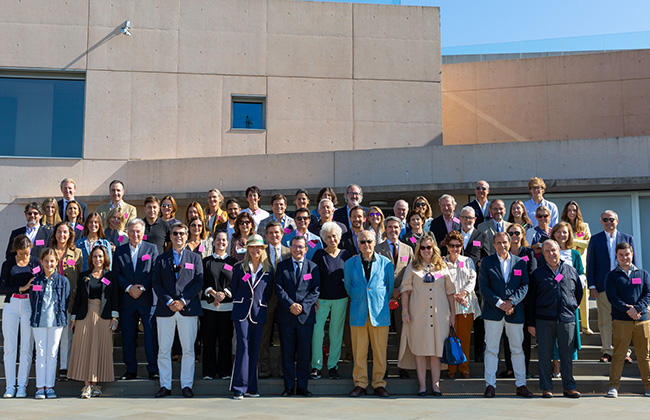
A first group of Museum Patrons, chaired by Ángel Gómez Montoro, strongly supports the project, both financially and in terms of its development. The Museum support community is launched.
-
2014
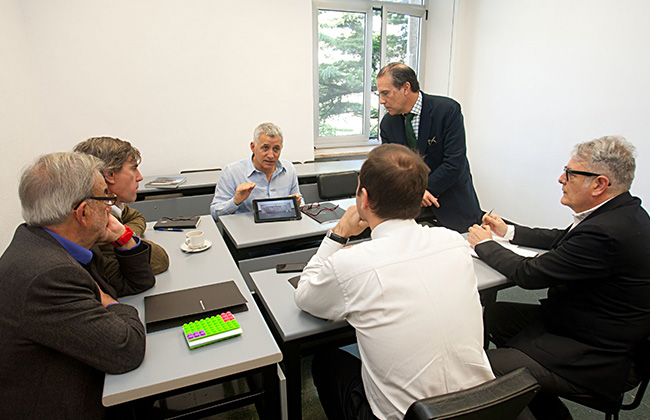
The museum's management is collegial: five artists and professionals from the worlds of art and thought form part of the artistic management team leading the project: José Manuel Garrido, Rafael Llano, Rafael Levenfeld, Fernando Pagola, and Valentín Vallhonrat. First artistic strategy plan.
-
2014
Donation by photographer Rafael Sanz Lobato of his entire artistic oeuvre and professional archive to the University of Navarra Museum.
-
2015
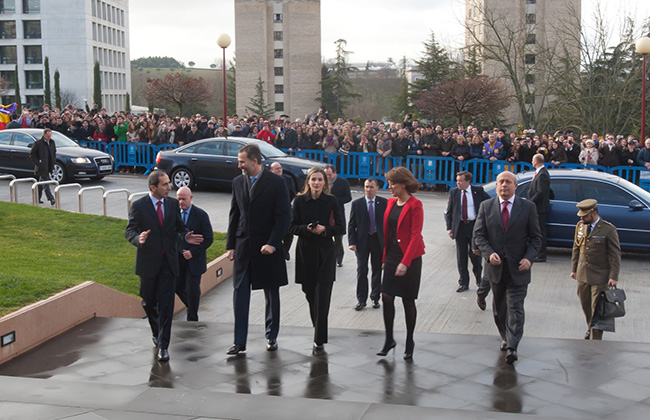
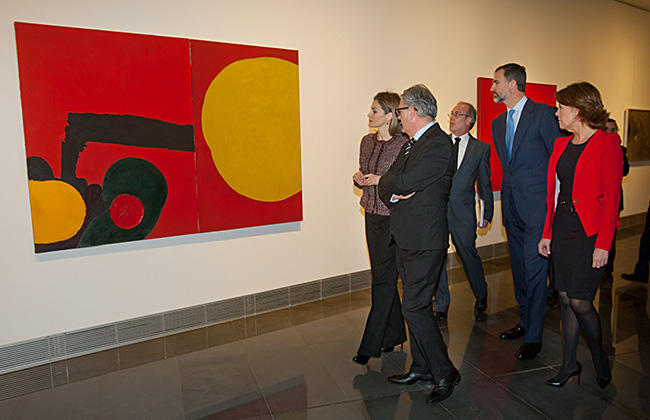
Inauguration of the museum attended by Their Majesties the King and Queen of Spain, generating significant media coverage.
-
2015
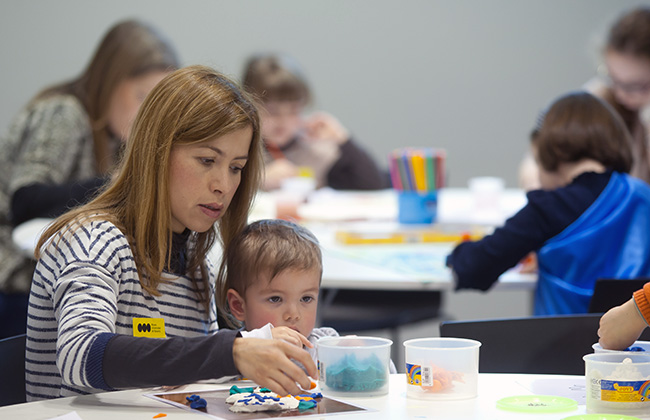
Creation of a team offering school and family learning activities through art. The Museum's Education Department is born.
-
2015–2016
The museum's program begins with events, performances, and exhibitions of visual arts, performing arts, music, and public programs.
-
2016
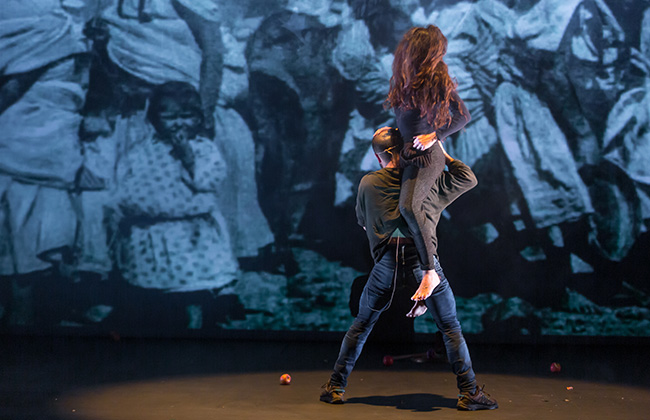
The Performing Arts and Music department begins its work on creation, inspired by the collection, with the start of the Museum's artistic residencies under the direction of José Manuel Garrido.
-
2017
The University's Cultural Services department joins forces with the Museum to offer students cultural activities linked to all artistic disciplines. Campus Creativo is born.
-
2018
The Museum receives a donation from Patricia Phelps de Cisneros, which enriches its collection and will be the subject of work by the fourth cohort of professionals enrolled in the Master's Degree in Curatorial Studies in the 2021–2022 academic year.
-
2018–2019
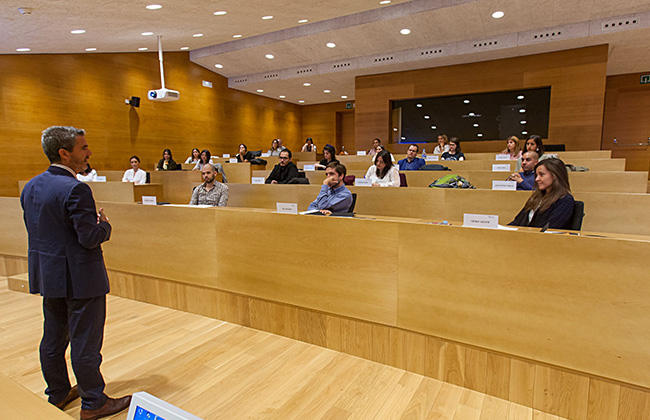
The Master's Degree in Curatorial Studies, an academic program offered by the Museum, is launched. Its aim is to train curators from a European perspective with the support of professionals in the field.
-
2020
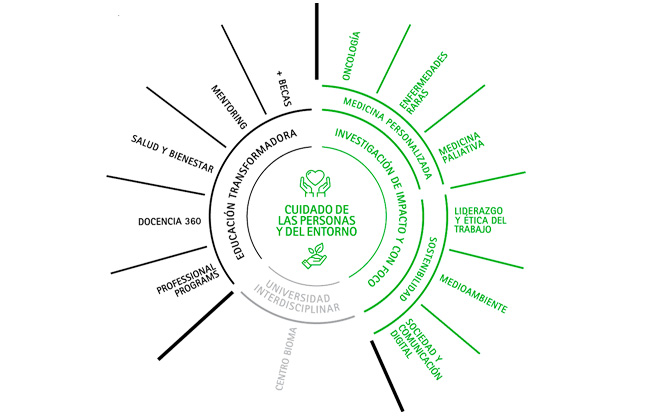
The Museum is aligned with the University's 2025 Strategy and with its sustainability strategy and commitment to the SDGs.
-
2021
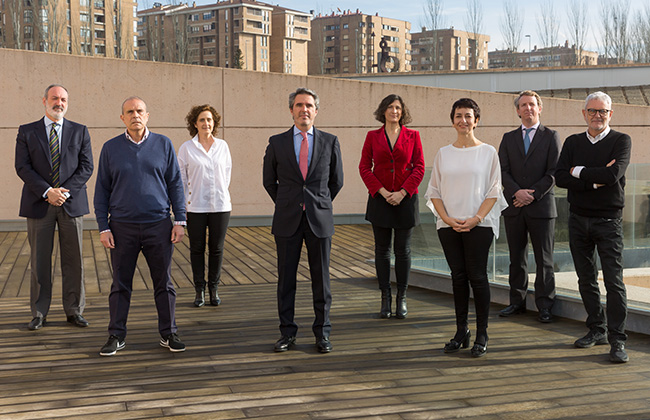
The Museum's Management Committee is being renewed with the departure of Garrido, Llano, and Pagola, who remain closely involved with the project. A new management team with ambitious, continuity-focused, and innovative goals.
-
2022
New Artistic Strategy Plan for the seven-year period 2022-2028.