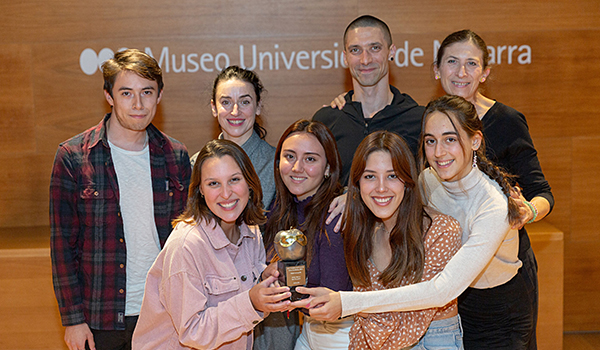
The University of Navarra Museum is a university museum.
A learning space serving the university community, the teaching community, and society as a whole.
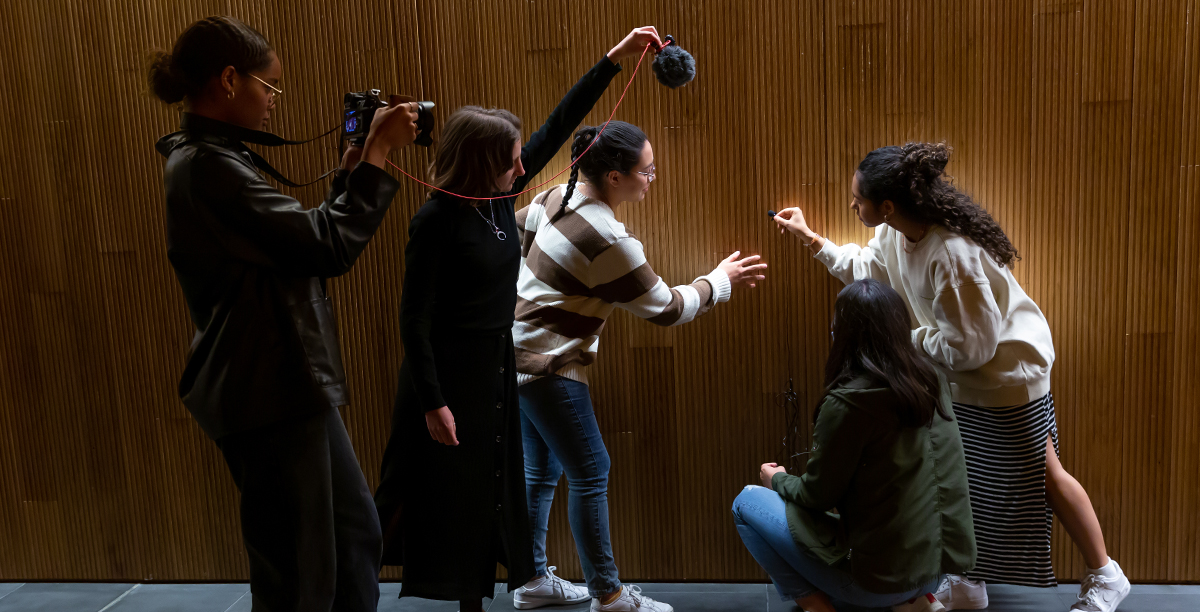
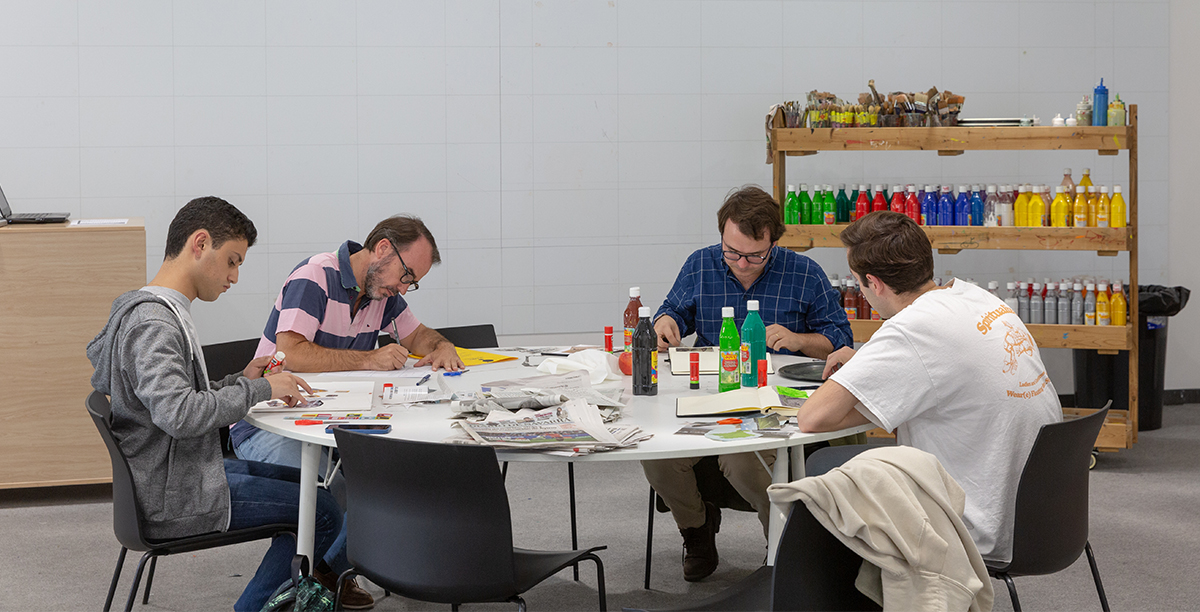
In addition to offering a postgraduate program (Master's Degree in Curatorial Studies), the Museum serves the university community of all educators and teachers. Young audiences will find permanent and seasonalprogramming atCampus Creativo , which serves as a link to the artistic interests of students during their time at the University.
Based on its collection and artistic activities, the Museum helps to incorporate these as innovative teaching resources that connect learning with creativity and art. The educational program benefits from the knowledge of the Museum and the University to serve teachers and trainers in educational settings and social groups through school programs and social initiatives.
The Museum and the daily presence of art on campus are an educational resource at the service of the entire community.
As part of the University of Navarra, the Museum hosts teaching and projects from various schools, faculties, and postgraduate programs, collaborates with teachers and researchers, and offers students the opportunity to earn credits, combine their studies with cultural activities, and take courses at the museum in collaboration with faculties.
The Museum is involved in teaching and university life in many different ways.
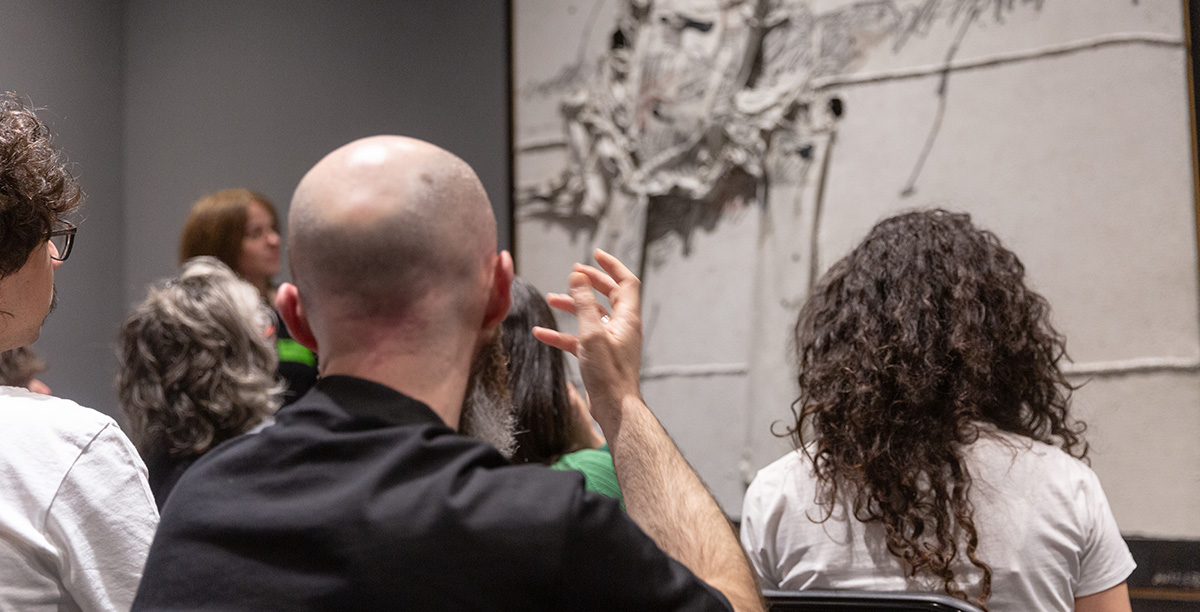
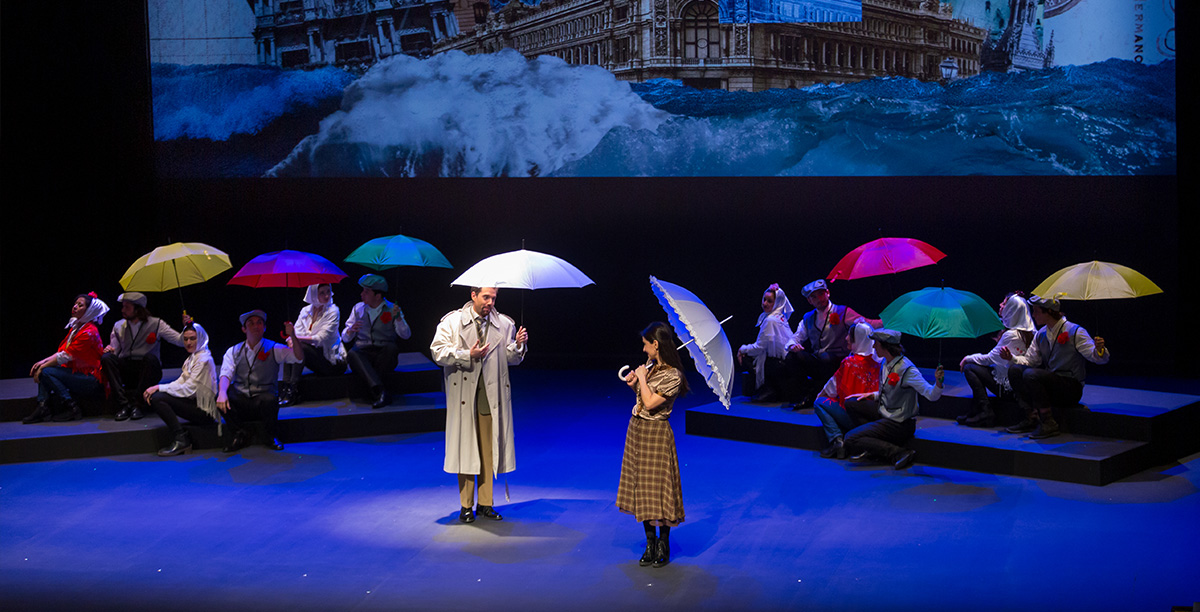
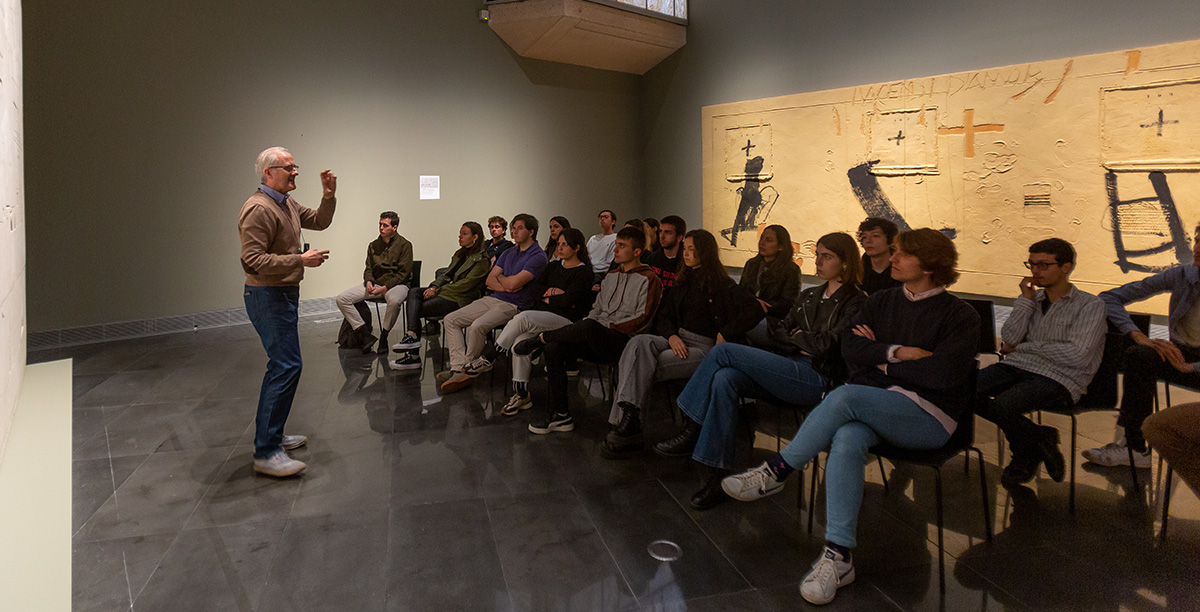
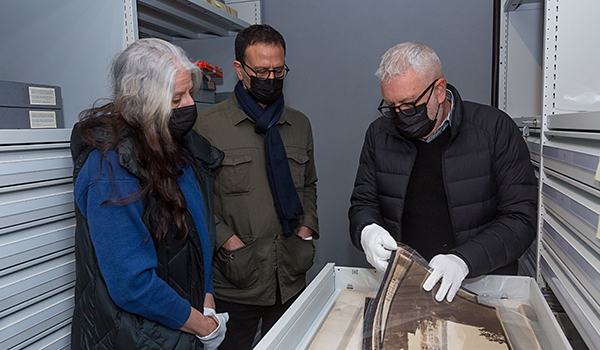
Research is inherent to the University. The artistic creation promoted by the MUN is conceived as research, and to this end, the museum works to ensure that the process is properly documented. The Museum promotes researchonthe arts,forthe arts, andinthe arts, seeking to share and enrich each other through frequent collaboration with the academic community in the development of various projects.
The Museum is working on the creation of an Archive of Creative Processes, which will document the different phases and processes involved in the research and creative projects carried out by artists.
In these research processes to develop their own projects, artists collaborate with the museum's artistic direction and, if they wish, with academics, the university community, and other university centers. This enriches the process through collaboration.
In addition, the Museum has established special partnerships and collaborations with the ICS (Institute for Culture and Society), with which it works on joint projects or projects involving the organization or production of shared events.
Nor can we forget the research projects currently underway, through which Museum professionals collaborate with faculties and experts on university research projects that result in publications in book form or academic articles.
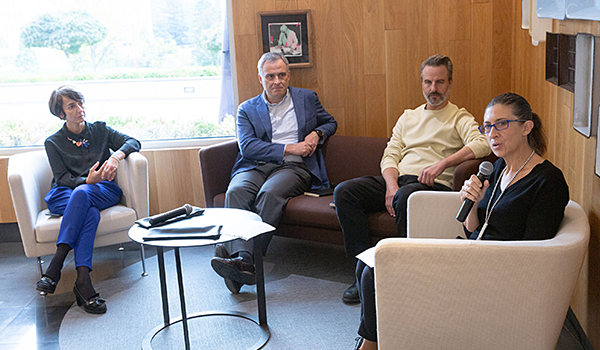
Pharsalia
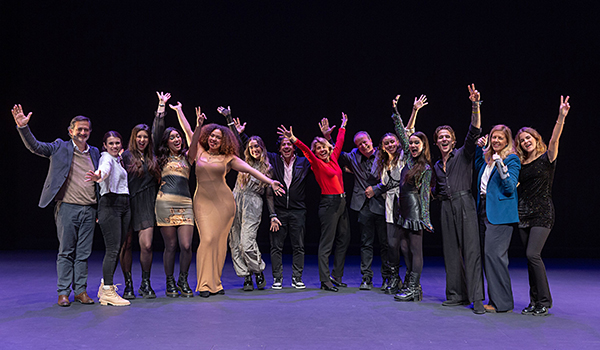
AmplifyArt
María Pagés